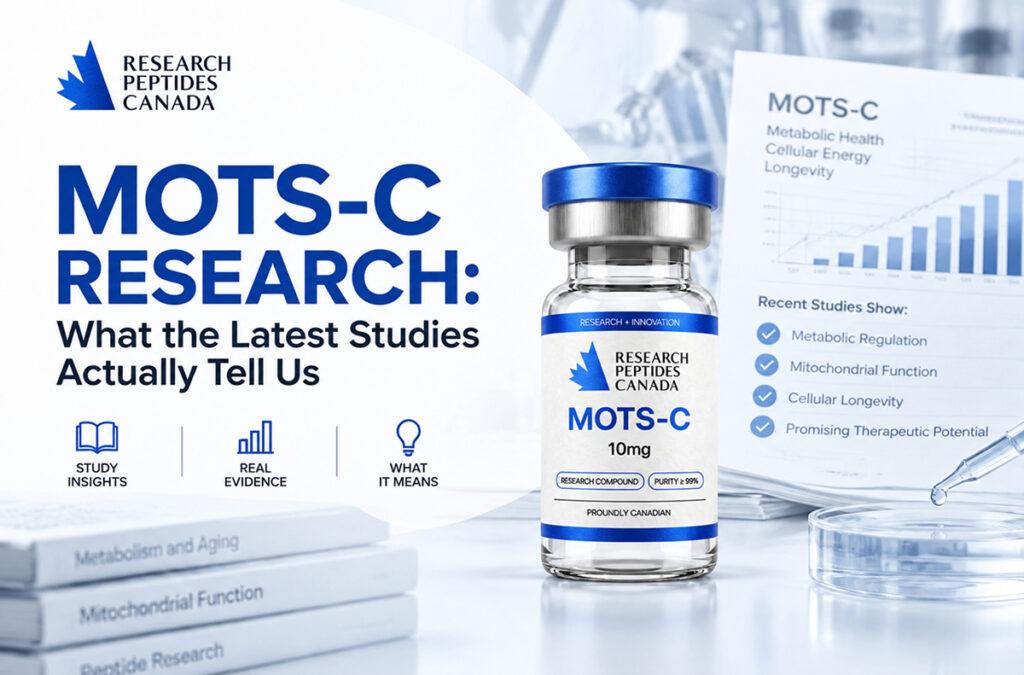
MOTS-C Research: What the Latest Studies Actually Tell Us
The field of MOTS-C research has expanded rapidly since scientists first identified this mitochondrial-derived peptide in 2015. Unlike traditional peptide research that focuses mainly...

The field of MOTS-C research has expanded rapidly since scientists first identified this mitochondrial-derived peptide in 2015. Unlike traditional peptide research that focuses mainly...
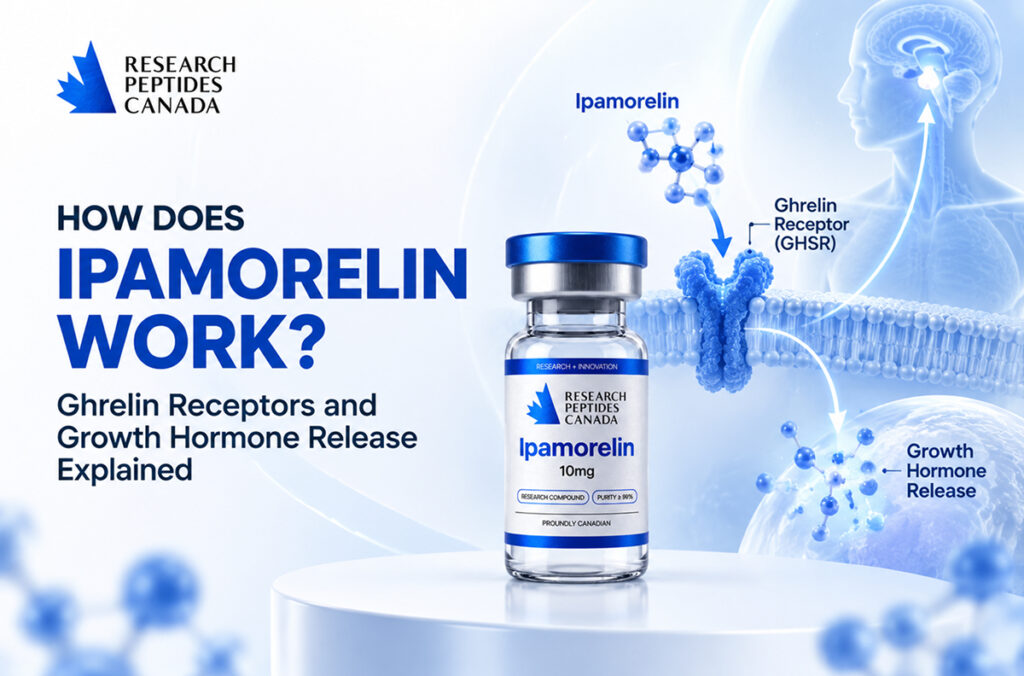
Understanding how does ipamorelin work starts with a different question: instead of replacing growth hormone (GH), how can a molecule encourage the body to...
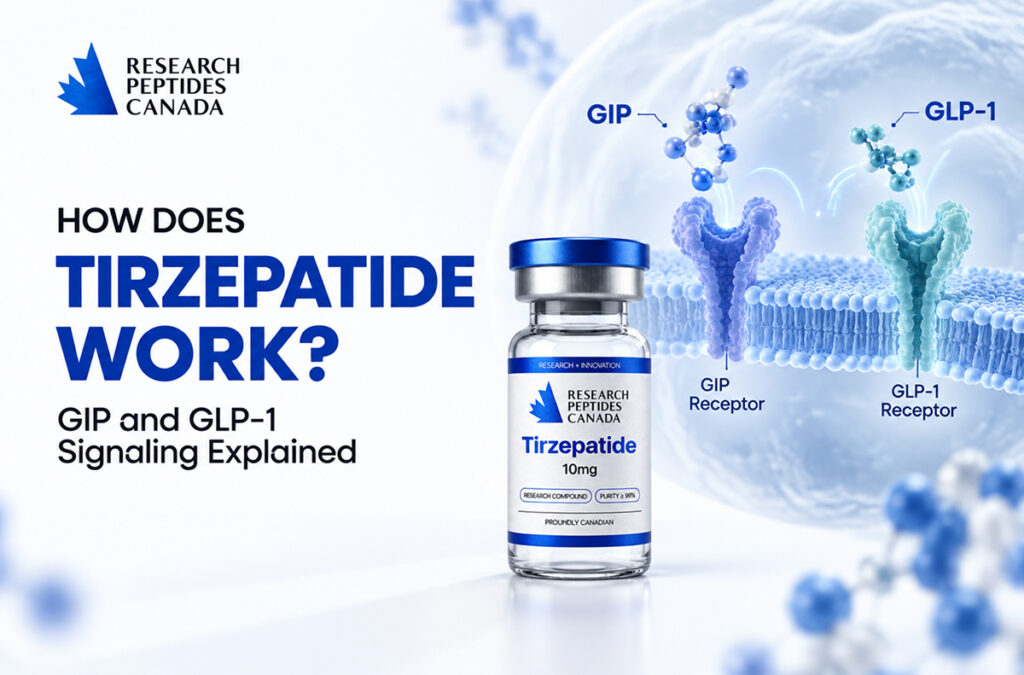
Understanding how does tirzepatide work requires looking at one of the most important developments in metabolic research: combining two incretin pathways into a single...

If you want to understand how does tesamorelin work, the most important point is that tesamorelin is not growth hormone itself. Instead, it acts...
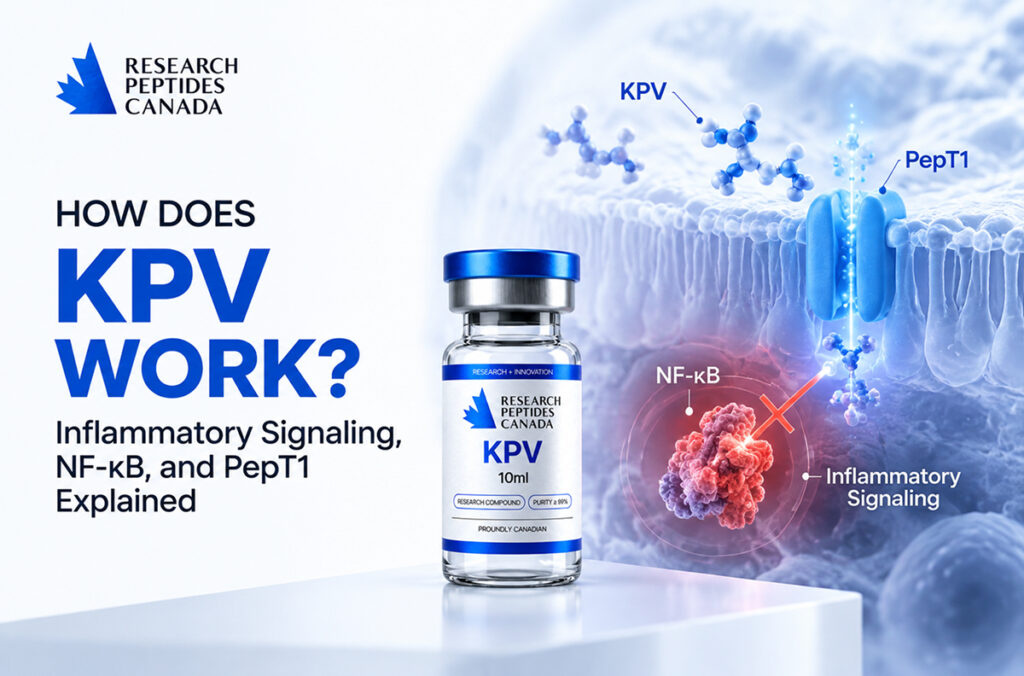
Understanding how does KPV work requires looking beyond its small size. KPV peptide is a three-amino-acid peptide derived from the C-terminal sequence of alpha-melanocyte-stimulating...
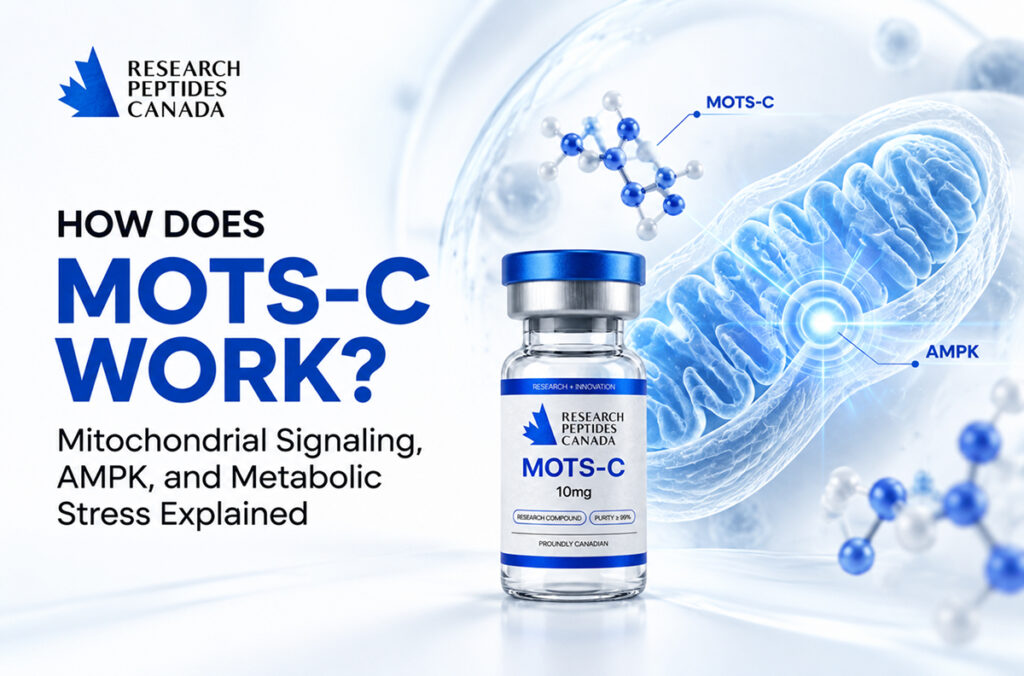
Understanding how does MOTS-C work requires looking beyond traditional peptide signaling. Unlike many peptides that are produced from nuclear DNA and released through conventional...

The Ipamorelin peptide is a synthetic growth hormone secretagogue that has attracted research interest because of its ability to stimulate growth hormone release through...

Tirzepatide has become one of the most widely studied incretin-based compounds in modern metabolic research. Unlike earlier medications that primarily targeted one incretin pathway,...

Tesamorelin is different from many peptides discussed in research settings because it already has a substantial human clinical evidence base. Rather than acting as...
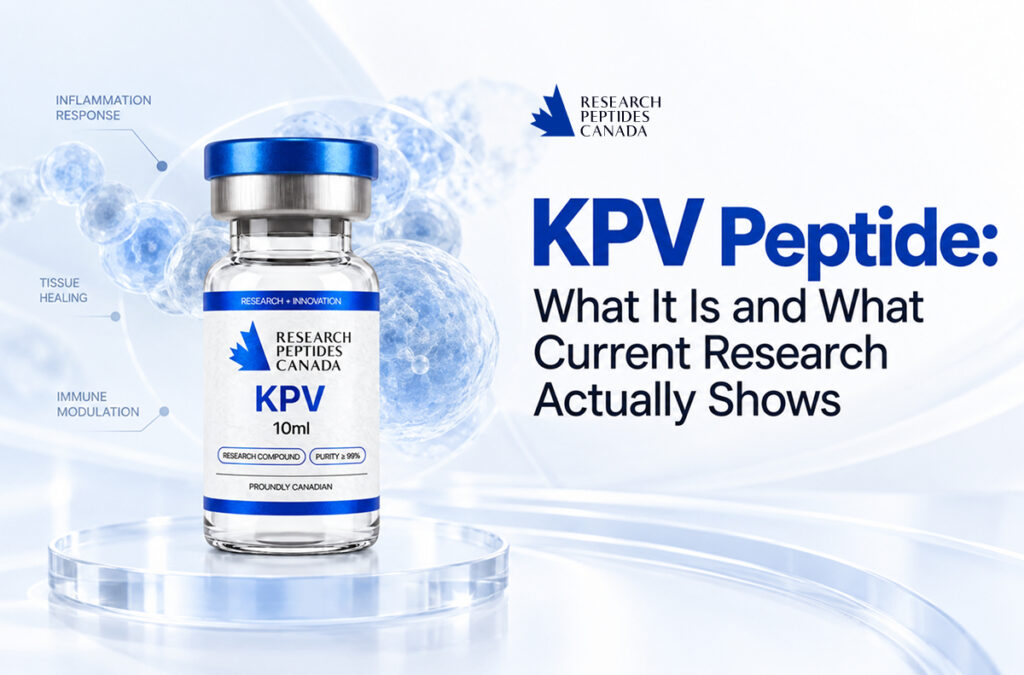
The KPV peptide is one of the smallest peptides currently attracting attention in inflammation and barrier-tissue research. It consists of only three amino acids—lysine,...